
How to join a cannabis club in Madrid: a step-by-step guide
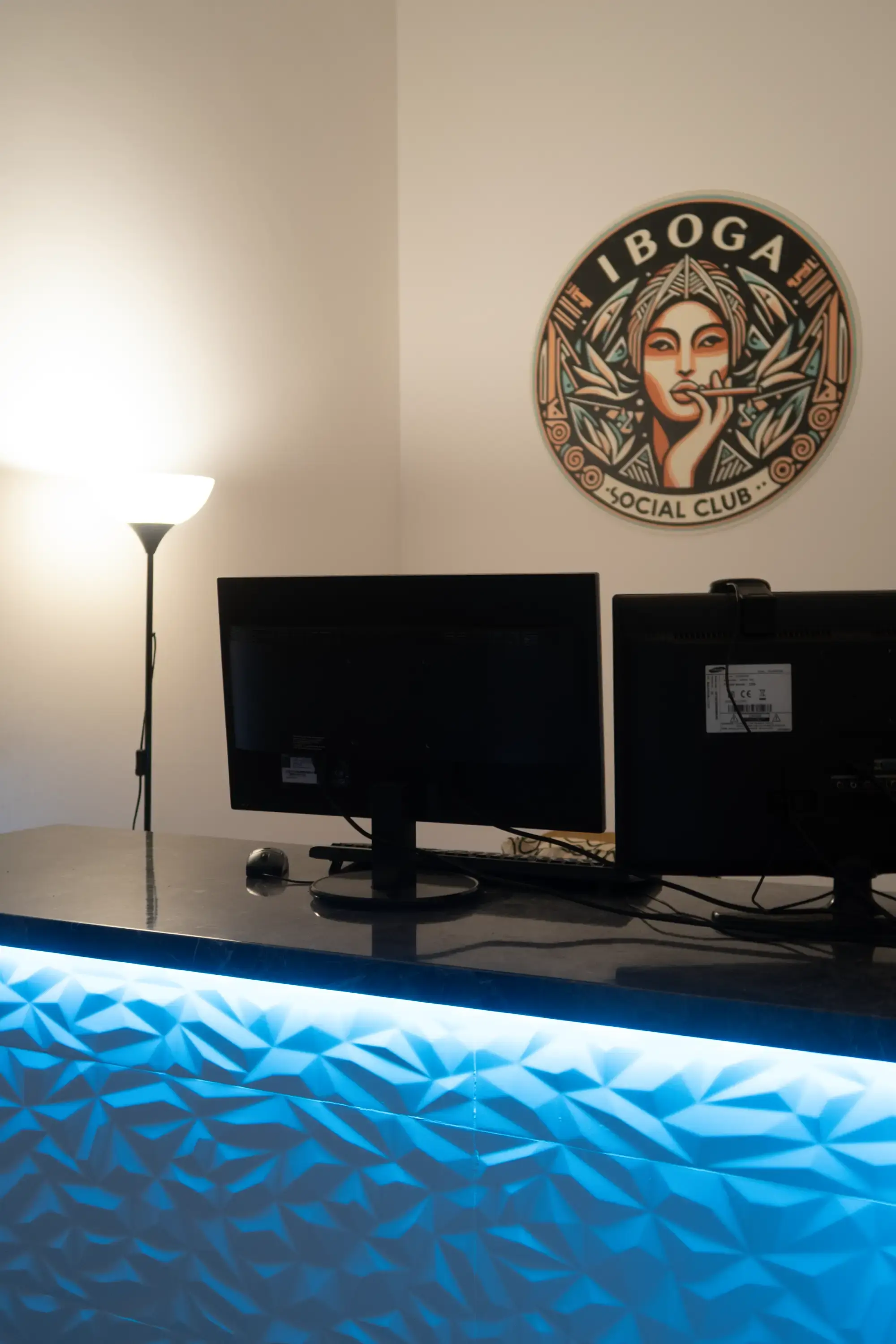
If you’ve made it this far, it’s because you’ve run into the same wall almost everyone does: Madrid’s cannabis clubs don’t have a “sign up” button. You don’t get in by paying at the door or filling out a two-field form. And that opacity, confusing at first, is exactly what keeps them standing.
In this guide we walk through how the process really works: what a sponsor is, what the interview is for, what paperwork you’ll be asked for, how long it takes and what happens on the first day. It’s IBOGA Social Club’s procedure, in Ciudad Lineal, but the outline looks pretty similar at any serious association in the city.
Why you can’t just walk in
A cannabis club isn’t a bar or a venue open to the public. It’s a private, not-for-profit association, and that difference isn’t a technicality: it’s what defines what it can and can’t do.
Being a private space, only members can enter. There’s no open door, no casual visitors, and you can’t come in accompanied by someone who isn’t a member. Any club that offers to let you in the same day, without knowing you at all, is skipping the very thing that gives it legal cover — and that ends up costing something: the clubs that have run into trouble in Madrid aren’t the ones that filtered, they’re the ones that let anyone through.
We explain it calmly in what a cannabis association is and how it works.
Before you start: what it is and isn’t
A lot of people arrive at the interview with the wrong idea, and that wastes everyone’s time. Worth clearing up from the start.
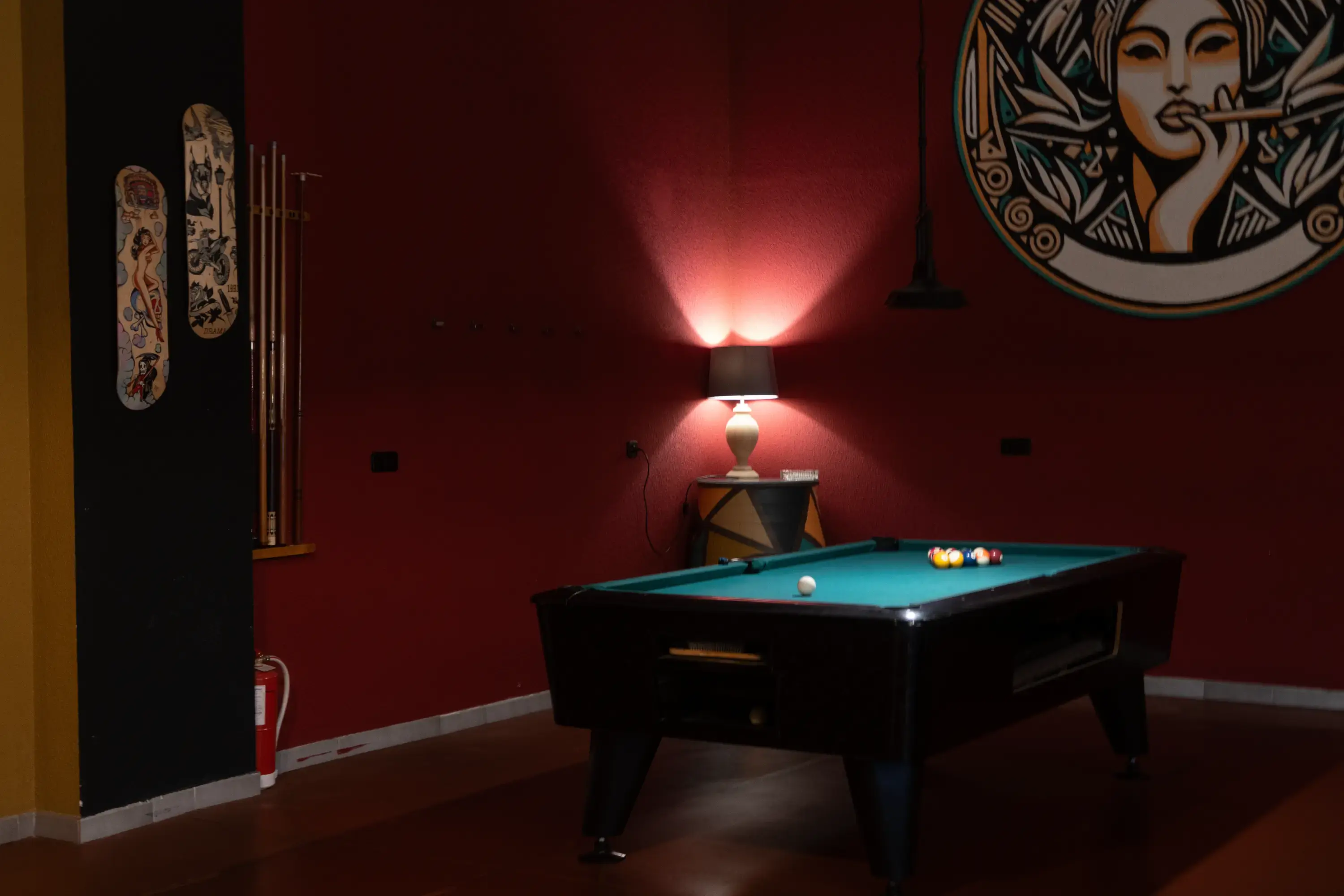
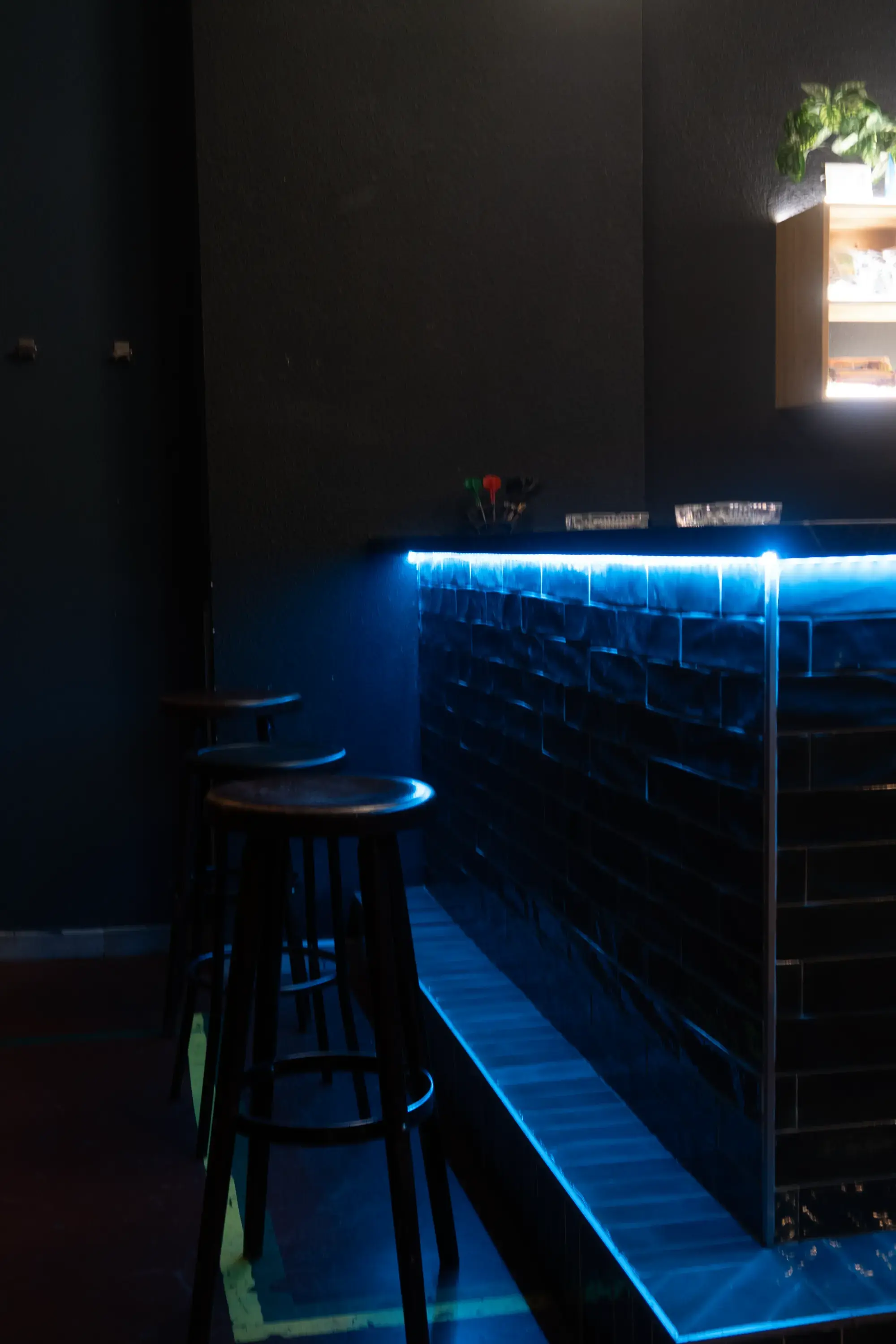
A social club is a place to sit, talk, play a game and spend the afternoon. It has sofas, a bar, a pool table and darts. People know each other and there are activities throughout the month.
A social club isn’t a quick stop where you come in, do something and leave in ten minutes. It’s not a party venue with loud music either. If that’s what you’re after, you won’t find it here, and it’s better to know that before setting up a meeting.
The quickest way to get a feel for it is to see the photos of the club: the three areas and what each one is used for.

The three steps
1. Get a sponsor
You need a club member to vouch for you. It’s not an informal recommendation or a “tell them you know me”: sponsoring means someone who’s already part of the association is committing that you’re a good fit and that you’ll respect the rules.
It’s the filter that carries the most weight, and it’s what explains why a club’s atmosphere stays stable over the years. If you don’t know anyone inside, message us anyway and we’ll talk it through — there are ways to work it out, and you’re far from the first person this has happened to.
We wrote a whole article about it: the sponsor system in a cannabis club, what it is and why it’s required.
2. The prior interview
We meet up, show you around and explain how everything works: hours, fees, house rules and what happens on a regular Tuesday afternoon. It’s also your chance to ask questions, no strings attached.
It’s not a test. It’s a conversation to see whether the place is what you’re looking for and whether you fit the atmosphere. Plenty of interviews have gone nowhere simply because the person expected something else, and that’s fine — better to find out beforehand.
It usually takes between twenty minutes and half an hour. You don’t need to prepare anything or bring any documents at that point.
3. The membership contract
If it’s a good fit on both sides, membership is formalised. You sign the membership contract, which sets out the rights and obligations of belonging to the association, and from then on you can come in whenever you like within opening hours.
That’s the point where you’re asked for ID and pay the fee. Everything happens in the same visit, with no follow-up paperwork.
What to ask during the interview
The interview works both ways, and it’s worth making the most of it. These are the questions that tell you the most about whether a club will actually work for you:
- How many people are usually around on weekdays? An empty club Monday to Thursday isn’t a social club, it’s a room.
- What activities happen each month? If there’s nothing going on, people don’t get to know each other and you end up going alone.
- What are the real opening hours? Not what’s on the website — the hours on the days you’d actually go.
- What happens if I stop paying the fee for a few months? The conditions for leaving and rejoining say a lot about how well it’s run.
- Can I work here? If you’re after a place with wifi and quiet, ask — not every club allows it.
What documentation you need
Less than people imagine:
- A valid official document proving your identity and age: a national ID card, residence card, or passport.
- Being over 24. That’s the general rule; exceptions are only considered on a case-by-case basis.
- Being a habitual cannabis consumer.
You don’t need a medical report, proof of residency, a background check, or anything of the sort. If a club asks you for any of that, it’s worth asking why. We go into it in requirements and documentation for joining a cannabis club.
How long it takes
It mostly depends on when we can meet. The usual timeline looks like this:
- You message us on WhatsApp. We reply the same day or the next.
- We set up the interview. Usually the same week, depending on your availability.
- Interview and membership. If it’s a good fit, you’ll walk out a member.
All in all, somewhere between a few days and a week. No waiting lists, no months-long processes.
The first day
A question almost nobody asks but that’s on everyone’s mind: what do you do the first time you come in and don’t know anyone?
The short answer is: nothing to worry about. The lounge is built for exactly that — you sit down, grab something at the bar and get used to the place at your own pace. Nobody’s going to corner you or give you a look for being alone.
That said, if you want to speed it up, the shortcut is the monthly tournaments for pool and darts. That’s where people who’ve never met end up talking, and it’s the fastest way to stop being the new face. We announce them ahead of time at the club itself.
And the fees
There are monthly and yearly fees. We deliberately don’t publish the amounts on the website: we’d rather calmly explain what each one includes and let you decide with the full picture, instead of showing a number with no context.
The fee keeps the venue running: rent, utilities, maintenance and activities. Since it’s a not-for-profit association, there’s no profit to distribute — what comes in goes toward keeping the place going.
Common mistakes when looking for a club
In case it helps you rule things out before wasting time:
- Trusting the first result on Google. The top results are often directories that charge to be listed, not necessarily the best clubs.
- Looking for the cheapest option. A very low fee usually means an overcrowded or poorly maintained venue.
- Picking the closest one without checking anything else. Distance matters, but less than the atmosphere. Half an hour on the metro is nothing if you like the place.
- Not asking about opening hours. It’s the number one reason someone joins and then never goes.
Wrapping up
Joining a cannabis club in Madrid is simpler than it looks, but it does involve knowing someone and sitting down to talk. It’s not an automatic process, and that’s precisely the point: the filter is what keeps things calm on the inside.
In short: you get a sponsor, we set up an interview, you bring your ID and sign. Somewhere between a few days and a week, with no strange paperwork.
On the website you’ll find the three steps summarised, where we are and the opening hours and the questions we’re asked most.
If it sounds like your thing, message us on WhatsApp and we’ll start with the interview. No commitment, no rush.